Lowes Foods
- 4.4
- Rating
- 100.00K
- Installs
- Free
- Price
 Analysis by App-foxy
When I open a grocery app, I am usually trying to solve a small problem quickly: remember what I need, check what is available, or make a shopping trip less chaotic. Lowes Foods approaches that everyday need as a focused Food & Drink app from Lowes Foods, LLC. It is free, rated for Everyone, and designed to put the store experience on a phone rather than make me search through a broad supermarket marketplace.
After spending time with it, my impression is that its value depends heavily on whether Lowes Foods is already part of your routine. If it is your nearby supermarket, the app can become a practical starting point before leaving home. If you shop across many chains or want a completely independent grocery planner, it feels more limited. That distinction matters more than its polished first impression.
From an empty shopping list to a more organized store visit
I find the biggest payoff in starting with a blank list and deciding what the trip is meant to accomplish before adding items. That keeps a quick restock from turning into an unfocused catch-all, and it gives me a useful way to judge whether the plan is ready to take into the store. Next, I look at how that preparation holds up when the shopping visit gets busy.
You May Also Like

 Pandora - Music & Podcasts
Pandora’s Music Is Easy to Start, but Harder to Recover
Pandora’s strength is its low-effort path from a seed to a station. Its weak spot is how much confidence it asks you to place in connection, setup, and quiet recovery.

 8 Ball Pool
 Is Built on Rivalries, Rematches, and Routine
A close look at the rivalries, rematches, shared routines, and unanswered safety questions that turn a quick pool match into a persistent mobile community.

 Samsung Music
’s Quiet Strength Is Playing What You Already Own
Its reach comes less from spectacle than from dependable access to a personal library. That simplicity is both the app’s strongest retention engine and its ceiling.

 AccuWeather: Weather Radar
AccuWeather Review: A Quick, Clear Forecast for Everyday Decisions
For everyday plans, the best forecast is the one you can understand quickly. AccuWeather makes rain timing, radar, and local conditions easy to act on, with a few trade-offs.

 Hill Climb Racing
Why Hill Climb Racing Still Turns Crashes Into One More Run
A tiny car, a bumpy hill and one more upgrade: Hill Climb Racing keeps resurfacing because its simple chaos makes every near-miss feel personal.

 AliExpress - Shopping App
AliExpress Makes Global Shopping Feel Personal, but Shoppers Bear the Risk
AliExpress turns a global marketplace into a pocket-sized discovery engine. Its reach is useful, its shopping loop compelling, and its trade-offs easy to miss.
More From Our News Desk
View All News


Starting with the real shopping problem
The most useful way to approach this app is not as entertainment or a general recipe library, but as a companion for a specific Lowes Foods trip. I would open it before shopping, when the details are still flexible. Maybe I am planning several dinners, replacing a few household staples, or trying to avoid wandering through the store while remembering everything from memory.
That starting condition changes how I judge the app. I do not need dozens of unrelated services on one screen. I need a clean path from deciding what to buy to getting through the shop with fewer forgotten items. The store summary presents it as an improved way to keep Lowes Foods close at hand, but the practical question is whether it reduces small points of friction in my own routine.
The app has a strong advantage here because it is tied to one retailer. A general notes app can hold a list, but it does not naturally connect that list with the store I intend to visit. A broad grocery platform may cover more supermarkets, but it can also feel busy when I only want to prepare for one familiar location. This app makes more sense when loyalty to the retailer is part of the starting condition.
Building the plan before leaving home
I would begin by treating the phone as the planning surface rather than waiting until I am already in the aisles. Adding items in advance gives me a chance to think in groups: ingredients for a meal, breakfast supplies, cleaning products, or items that are easy to overlook. That simple separation is more useful than an attractive but vague shopping screen because it turns a rushed visit into a sequence of decisions.
One tip I found especially helpful is to prepare the list around the meal or task that created it, then review it once from the perspective of the store visit. For example, if I am buying ingredients for a family dinner, I check the complete recipe-related list before adding snacks or staples. This prevents the common mistake of remembering the main ingredients while forgetting the supporting ones. The app does not need to make that decision for me; its role is to keep the decisions visible.
I also prefer entering quantities or clarifying notes in my own wording when the app allows that kind of organization. “Pasta” may be enough on a quick trip, but “pasta for Saturday dinner” is more useful when several people share the list. The important trade-off is that a digital list only helps if I maintain it. If I add items casually and never clean up old entries, the list becomes another source of confusion.
Moving from the plan to the store
The handoff from home planning to the physical store is where a grocery app earns its place. I would review the list just before leaving, remove anything I already bought, and make sure the remaining items still match the purpose of the trip. That final review is a small but valuable workflow: it keeps the app from becoming a frozen snapshot of an earlier idea.
Once inside Lowes Foods, the phone becomes a reference rather than a planner. I can check what remains while moving through the store and mark progress as I go. I would not expect the app to replace my judgment about substitutions, package sizes, or freshness. Grocery shopping is full of choices that depend on the shelf in front of me, and a list cannot anticipate every one of them.
This is also where I would watch battery life, connectivity, and screen visibility. Those are ordinary smartphone concerns, but they affect the experience more in a grocery aisle than they do at home. A list that is easy to read and update is helpful; a workflow that forces me to repeatedly stop, reload, or search for the same item is less appealing than a simple paper note.
Handling the handoffs between people
A realistic shopping trip often involves more than one person. Someone at home remembers an item after I have left. A partner needs to add something while I am already in the store. A family member may ask whether a planned meal still has everything needed. In these situations, the app works best when everyone treats the list as a shared source of truth rather than keeping separate notes.
That handoff is useful, but it is not automatic teamwork. I still need to check that the latest changes are visible and that another shopper has not already picked up an item. The app can support the conversation, but it cannot remove the need for clear communication. My practical advice is to agree on a simple rule: one person owns the active list, and completed items are marked promptly. Without that habit, duplicate purchases are just as possible as with messages or paper.
Another handoff happens between the app and the checkout decision. The list may say what I intended to buy, while the final basket reflects what I actually found. If an item is unavailable or a different size makes more sense, I would update my mental plan rather than treating the original list as a contract. This flexibility is important for shoppers who want guidance without losing control.
What the finished trip feels like
The best outcome is not a dramatic transformation. It is a quieter trip: fewer forgotten essentials, less backtracking, and a clearer idea of what still needs attention. For a weekly shop, those small improvements add up. I can leave the store knowing the list has been completed or consciously adjusted instead of wondering whether something important was missed.
For occasional shoppers, the result is more modest. The app may still be useful before a holiday meal, a larger restocking trip, or a visit to a Lowes Foods location that is not part of the usual routine. In those cases, the value comes from having a dedicated place to prepare rather than from using it every day.
I would describe the experience as practical rather than revolutionary. Its strength is focus. It does not need to convince me that grocery planning is exciting; it needs to make the next trip easier to manage. That is a reasonable goal, and the high user response suggests many people find the store-specific approach worthwhile. The app has an average rating of 4.7 from around 1K ratings, with over 100K installs, which gives it a solid level of real-world adoption without making it universal.
Where the workflow starts to break
The first weakness is retailer dependence. If Lowes Foods is not a convenient store for me, the app loses much of its purpose. A general list tool is better for someone comparing several supermarkets, shopping at farmers’ markets, or organizing purchases across different retailers. I would skip this app if my main goal were a neutral grocery database rather than a Lowes Foods-centered routine.
The second issue is that a dedicated store app can create expectations beyond what a simple planning workflow can deliver. I may want precise product information, dependable availability, or a highly detailed route through the store. When those needs become central, I would compare the app’s actual behavior with a general shopping tool before making it the only system I use. A focused app is not automatically a complete grocery-management solution.
There is also a human limitation: the app cannot decide what matters most in my basket. It can help me remember ingredients, but I still need to check dietary needs, package sizes, substitutions, and the condition of fresh products. For a household with allergies or strict nutritional requirements, I would use the app as an organizational aid and verify important details directly rather than relying on a list alone.
Another point of friction is list discipline. If I leave completed items mixed with future purchases, or if multiple people add vague entries, the convenience fades quickly. This is not a flaw unique to Lowes Foods, but it is particularly noticeable because the app’s main promise is making a store visit easier. My workaround is to do a short cleanup before each trip and use specific item names instead of broad reminders.
How it compares with the usual alternatives
Compared with a paper list, this app is better when plans change or more than one person needs access to the same shopping information. Paper remains faster for a tiny, one-off purchase, especially when I already know the store and only need a few items. I would still choose paper for a very short errand if opening the phone feels like unnecessary setup.
Compared with a notes app, Lowes Foods has a clearer relationship with the retailer. A notes app is more flexible and can combine groceries with reminders, errands, and household tasks. That flexibility is useful for people who shop at several stores. The dedicated app is the better fit when my trip repeatedly begins and ends at Lowes Foods and I want that context kept separate from unrelated notes.
Compared with a broad grocery marketplace, the trade-off is breadth against focus. A marketplace may be more suitable for comparing retailers, arranging delivery, or managing many shopping sources in one place. Lowes Foods is more appealing when I want a direct store companion and do not want a crowded interface built around every possible shopping option.
Compared with a recipe-first app, it starts closer to the shopping outcome. Recipe apps can inspire meals and generate ideas, while this app is more relevant once I already know I am going to shop at Lowes Foods. I would use both together if meal inspiration were important: choose the meal elsewhere, then use the store app to organize the actual trip.
Who will get the most from it
I think this app is a good match for regular Lowes Foods shoppers who want to prepare before entering the store. It is especially useful for people who make recurring household trips, share shopping responsibilities, or tend to forget one or two important items when relying on memory. The free price removes the main financial barrier, so the decision is mostly about whether the store-specific workflow fits.
It can also suit families who need a simple handoff between planning at home and shopping in person. One person can think through the meals, another can handle the visit, and the list provides a common reference. The process works best when the household agrees to keep it current rather than treating it as a permanent archive.
I would be less enthusiastic for someone who rarely visits Lowes Foods, expects a single app to manage several retailers, or wants advanced meal planning as the main feature. A person who prefers handwritten lists may also find the phone-based workflow unnecessary for small trips. In those cases, a general notes tool or a broader grocery service may be the more sensible choice.
Device fit, access, and everyday practicality
The app supports devices running Android 6.0 or later, so it is not restricted to only recent Android phones. Its current version is 1.1.31, and the app was released on October 5, 2022. Those details matter when deciding whether an older phone can handle it, particularly for anyone keeping an older device as a dedicated household phone.
Because it is rated Everyone, it is approachable for a household where different age groups may participate in planning. That does not mean every person will prefer the same workflow, but it makes the app easier to consider for shared everyday use. I would still keep sensitive account or shopping decisions under the control of the adult responsible for the purchase.
The developer is Lowes Foods, LLC., which makes the app’s store-specific focus understandable. I see that as a benefit when I want a direct connection to the retailer, but also as a reason not to treat it as my only grocery tool without testing my own routine first. The best setup may be hybrid: use this app for Lowes Foods trips and keep a separate general note for errands that happen elsewhere.
My practical routine for getting better results
I would use a three-pass method. First, I add everything I think I need without trying to perfect the list. Second, I review it by meal, household task, or person who requested the item. Third, I check it immediately before leaving and remove anything no longer relevant. This keeps planning, editing, and execution separate, which makes mistakes easier to spot.
For a shared household, I would avoid entries such as “something for dinner” or “snacks.” Specific wording reduces unnecessary messages and makes the in-store handoff clearer. I would also mark an item as completed only after it is actually in the basket, not when I merely remember where it should be. That small distinction prevents the list from claiming success too early.
For a large trip, I would keep the list purposeful instead of adding every possible future purchase. A long list can look comprehensive while becoming difficult to scan. I would rather make a focused trip list and keep future ideas elsewhere until they become relevant. This is one of the most important trade-offs: the app helps organize information, but it cannot compensate for an overloaded list.
Finally, I would use the result of each trip to improve the next one. If I repeatedly forget the same side ingredient or household supply, I would make the wording more specific before the next visit. If I repeatedly add items that I do not buy, I would question whether they belong on the routine list. The app becomes more useful when I treat it as a working process instead of a passive storage box.
My recommendation after following the full workflow
Lowes Foods is a sensible free Food & Drink app for people whose grocery routine already centers on this retailer. I like its focused purpose, its usefulness before and during a shopping trip, and the way it can provide a shared reference between the person planning at home and the person handling the store visit. The strongest benefit is not a flashy feature; it is the reduction of small memory and communication errors.
At the same time, I would not recommend it as a universal grocery organizer. Its value drops when I shop at multiple chains, want broad comparison tools, or need a more advanced meal-planning system. The app works best when I accept its boundaries and use it for the job it is suited to: preparing for a Lowes Foods trip, keeping the plan visible, and adjusting it when real shelves and real household needs change.
My bottom line is simple: if Lowes Foods is where you regularly shop, I would try this app and build a short, disciplined routine around it. If the store is only an occasional option, a flexible notes or grocery app may serve you better. For the right shopper, it turns an ordinary errand into a more deliberate process from the first item added to the final check at home.
FAQs for Lowes Foods
01What features does the Lowes Foods app offer?
The Lowes Foods app provides a range of features including online grocery shopping, personalized offers, digital coupons, and a store locator. Users can also access recipes and meal planning tools. The app aims to enhance the shopping experience by offering convenient and personalized options for customers.
02Is the Lowes Foods app available on both Android and iOS devices?
Yes, the Lowes Foods app is available for download on both Android and iOS devices. You can find it on the Google Play Store for Android users and the App Store for iOS users, ensuring accessibility for a wide range of smartphones and tablets.
03How does the online grocery shopping feature work in the Lowes Foods app?
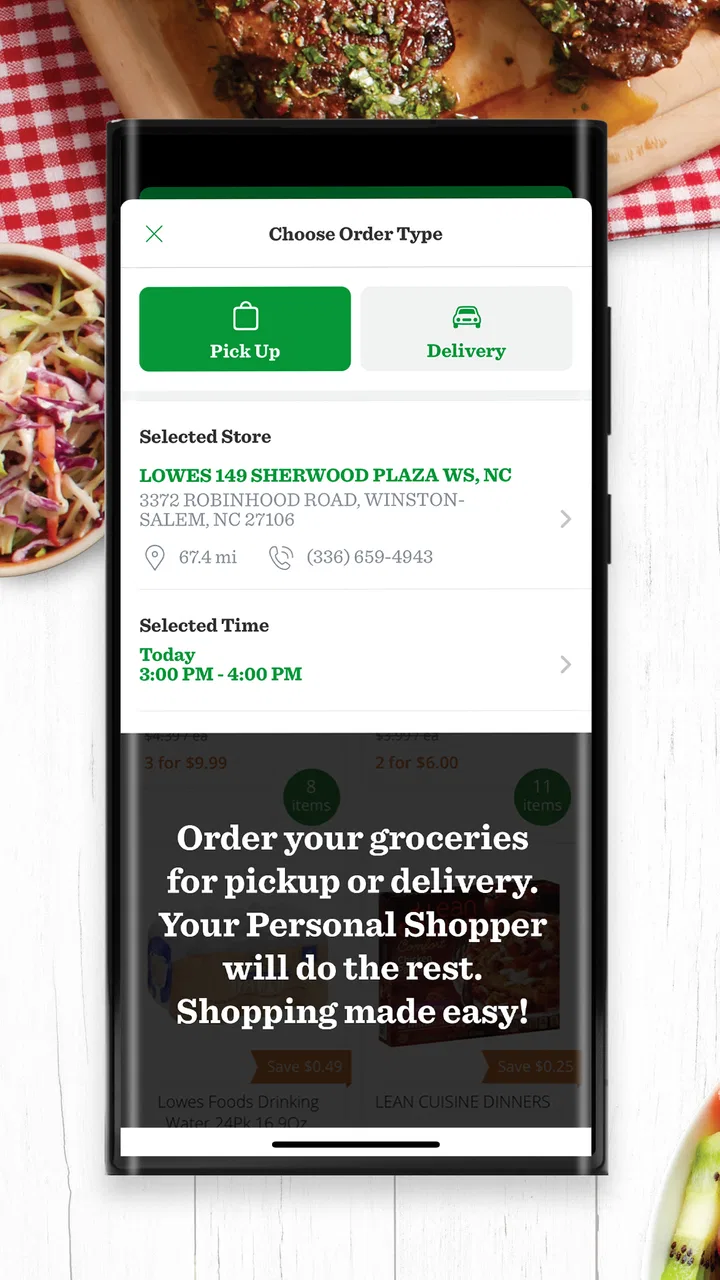
The online grocery shopping feature allows users to browse and purchase groceries directly through the app. Customers can select items, add them to their cart, and choose between delivery or pickup options. The app streamlines the shopping process by offering a seamless and convenient way to manage grocery needs.
04Does the Lowes Foods app offer any loyalty or rewards programs?
Yes, the Lowes Foods app includes a loyalty program where users can earn rewards and access exclusive discounts. By using the app, customers can track their rewards points and receive personalized offers, making it a beneficial tool for regular shoppers looking to save money.
05Are there any costs associated with using the Lowes Foods app?
The Lowes Foods app itself is free to download and use. However, there may be fees associated with certain services like grocery delivery. It’s advisable to check the app for specific pricing details related to delivery or any premium features offered.
Pros
- User-friendly interface for easy navigation.
- Wide variety of grocery items available.
- Convenient online order and pickup options.
- Loyalty program offers great discounts.
- Regular updates with new features and improvements.
Cons
- Limited delivery areas may affect availability.
- Occasional app crashes reported by users.
- Some items may not reflect real-time stock.
- Notifications can be overwhelming at times.
- In-app ads can be slightly intrusive.

Lowes Foods
Gallery